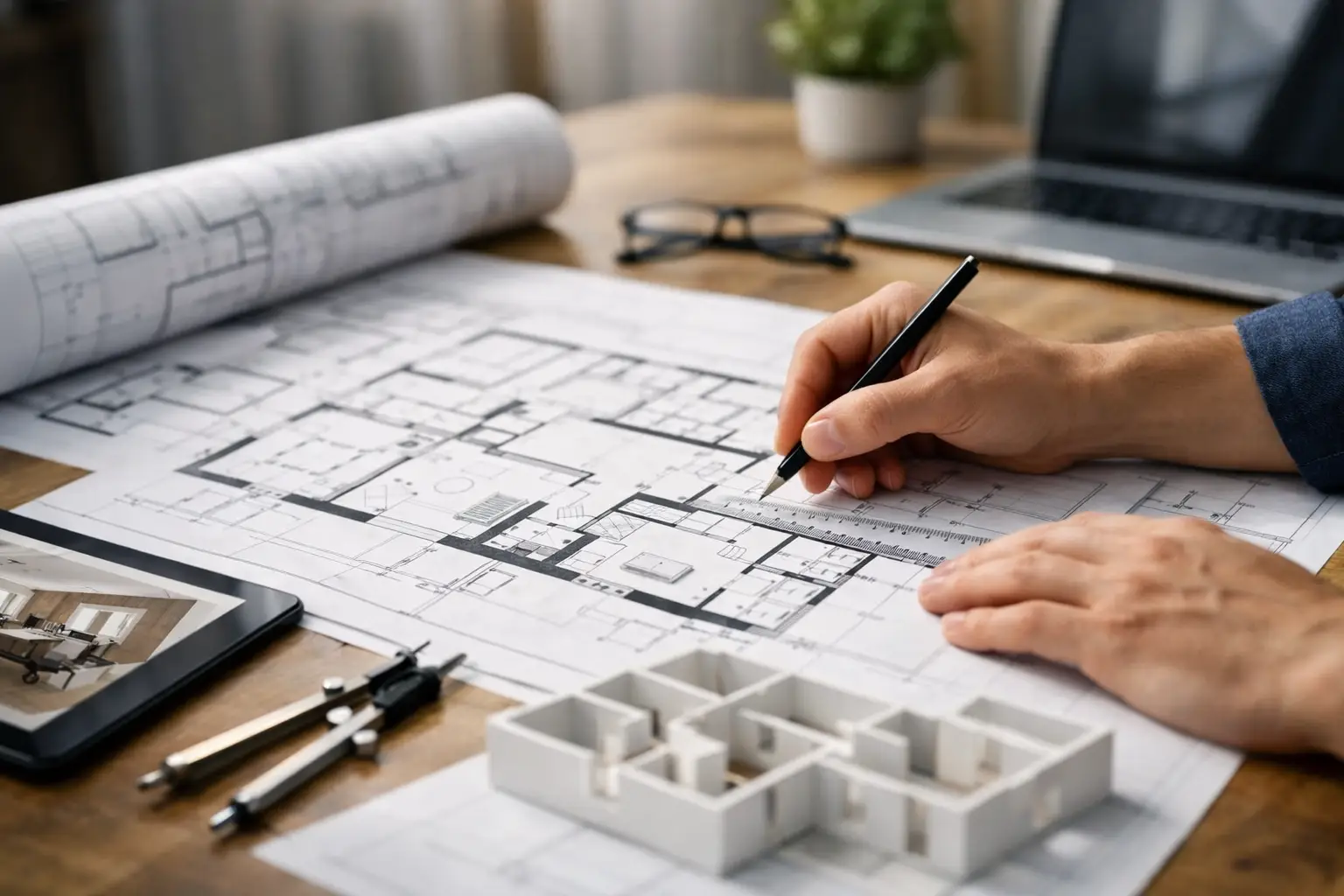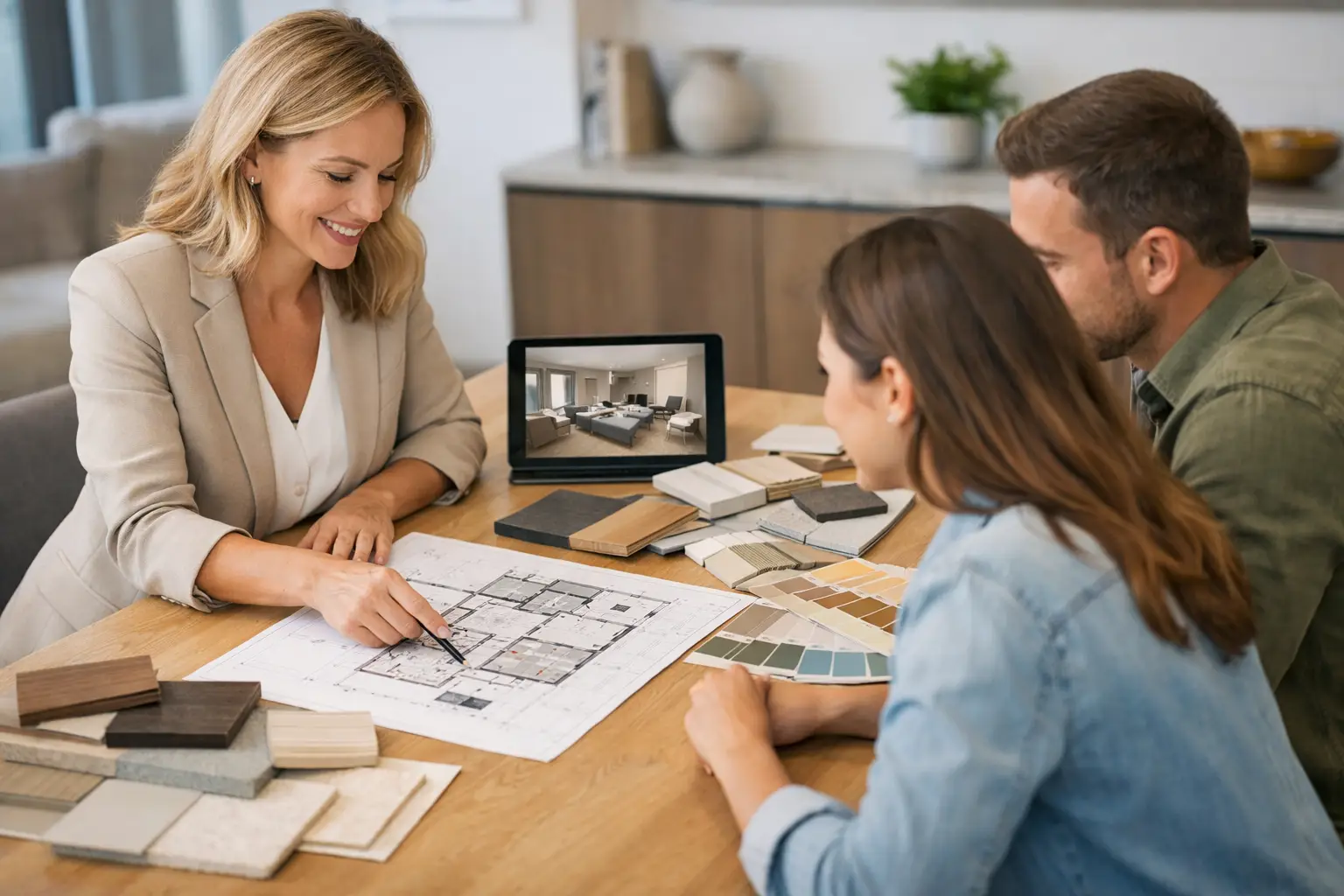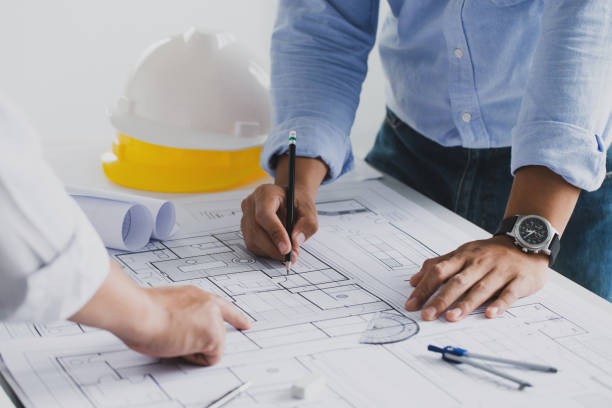
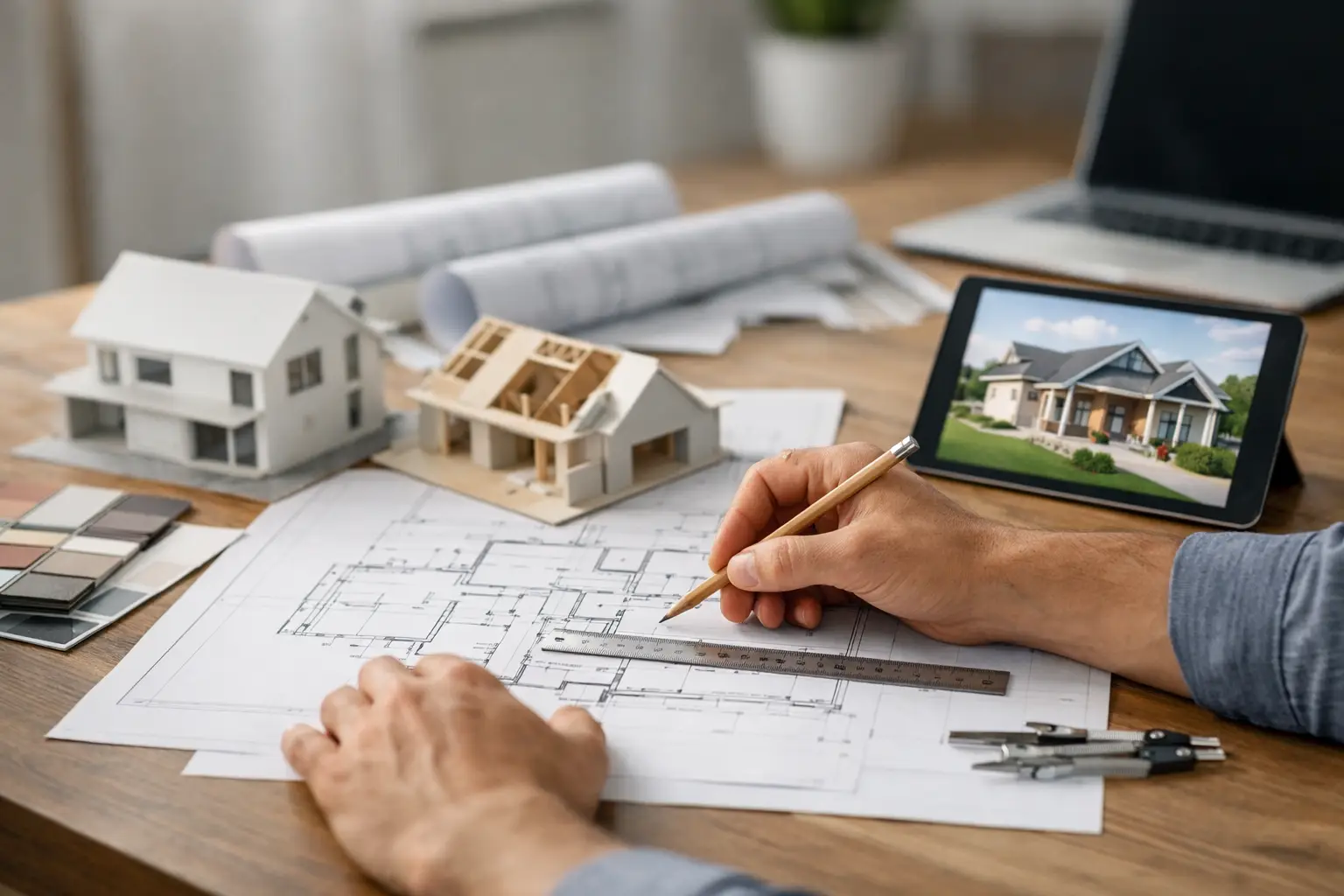
A house plan can look perfect online and still miss the mark once it meets your lot, your budget, and the way your family actually lives. That is why many homeowners start with a plan they like, then customize a house plan so it works in the real world – not just on paper.
That process is where good design earns its value. The goal is not to make random changes until the drawing feels more personal. The goal is to shape the plan around how you want to live, what your property allows, and what your builder can execute efficiently. When that happens, the home feels intentional from the front entry to the back porch.
Why customize a house plan instead of starting over?
For many projects, customization is the smartest middle ground. A stock or pre-drawn plan gives you a strong starting point, which can save time compared to designing from scratch. At the same time, very few families, lots, or budgets line up perfectly with an off-the-shelf design.
Customizing lets you keep what already works while adjusting the parts that do not. You may love the exterior style and general layout but need a larger pantry, a first-floor guest suite, or a better connection between the garage entry and the kitchen. You may also need to respond to a sloped lot, neighborhood requirements, or local building conditions in North Carolina or South Carolina.
The key is knowing which changes improve the plan and which ones start to fight it. Some revisions are simple and cost-effective. Others affect structure, roof lines, engineering, or mechanical layouts and can quickly add complexity.
How to customize a house plan without creating new problems
The most successful projects begin with priorities, not square footage. Before changing walls or adding rooms, it helps to define what matters most in daily life. That usually means thinking through routines instead of features. Where do groceries come in? Does the kitchen need to stay open to the family room, or would a little separation work better? Do you need a quiet office that closes off from the rest of the house, or just a flex room with occasional privacy?
When clients get specific about how they live, better design decisions follow. A larger living room is not always the answer. Sometimes the real need is better circulation, more storage, or a mudroom that keeps clutter out of sight.
It also helps to separate must-haves from nice-to-haves. If everything is a priority, the plan can become oversized and expensive very quickly. A clear hierarchy keeps the design focused and protects the budget.
Start with the lot, not just the floor plan
A plan should never be customized in isolation from the property. The lot influences far more than placement. It affects driveway approach, garage orientation, grading, drainage, window opportunities, outdoor living areas, and even which rooms should face the rear or side yard.
For example, a great room that works beautifully on a wide, flat lot may need rethinking on a narrow site. A rear porch that feels natural on one property might create setbacks or grading issues on another. In the Carolinas, site conditions, local ordinances, and neighborhood review standards can all shape what is practical.
That is one reason a regional residential design partner matters. A plan should fit the land as well as the homeowner.
Budget should guide decisions early
One of the biggest mistakes in plan customization is making design changes first and worrying about cost later. Every adjustment carries a price impact, but not all impacts are obvious. Expanding a kitchen might also affect foundation size, roof framing, HVAC runs, and window packages. Raising ceiling heights can change exterior proportions and material quantities. Moving plumbing fixtures may seem minor but can ripple through the layout.
That does not mean you should avoid customization. It means changes should be evaluated with buildability in mind. Sometimes one thoughtful revision improves the home more than several expensive additions. A well-designed 2,400-square-foot house often lives better than a poorly modified 2,800-square-foot one.
The areas where customization matters most
Not every part of a house plan deserves equal attention. Certain spaces affect daily comfort and long-term satisfaction far more than others.
The kitchen is usually high on that list because it connects function, storage, circulation, and entertaining. A kitchen that looks generous on paper can still feel tight if the island crowds walkways or the pantry is too far from the work zone. Laundry rooms, mudrooms, and garage entries also deserve careful planning because they carry so much of the home’s everyday workload.
The primary suite is another area where customization often pays off. The bedroom size matters, but layout matters more. Window placement, bath access, closet function, and privacy from public spaces all influence whether the suite feels calm and efficient.
Secondary bedrooms and bathrooms should reflect who will use them. A home for a growing family may need different bedroom relationships than one designed for empty nesters, multigenerational living, or frequent guests. Builders and developers may also need plans that balance broad appeal with practical construction logic.
Outdoor living space can be just as important in the Southeast. Covered porches, screened rooms, grilling areas, and connections to the backyard often shape how the home is used for much of the year. These spaces should feel integrated into the plan, not tacked on after the fact.
When a simple change becomes a major redesign
Some plan edits are straightforward. Others reach a point where the original plan is doing less and less of the work. That is not necessarily bad, but it does affect schedule, cost, and coordination.
Changing finish selections is simple. Adjusting room dimensions can be manageable. Reworking the roof structure, relocating stairs, moving load-bearing walls, or dramatically shifting plumbing locations is more involved. Once multiple systems are affected, the design team has to think through structure, exterior composition, and construction details together.
This is where experience matters. A plan should not only satisfy a wish list. It needs to hold together as a complete home. Good customization preserves proportion, flow, and curb appeal while still delivering the practical changes the client needs.
Customize a house plan with permitting and construction in mind
A customized plan is only useful if it can move cleanly into permitting and construction. Homeowners sometimes focus so heavily on layout changes that they overlook what happens next. Municipal review, builder pricing, engineering coordination, and field execution all depend on accurate, organized drawings.
That is why customization should lead to permit-ready, construction-ready documents rather than a marked-up sketch with unresolved questions. The design needs to account for code requirements, structural logic, and clear communication so the builder can move forward with confidence.
In North Carolina and South Carolina, local requirements can vary, and details matter. A plan that was originally drawn for another region may need more than cosmetic edits to work well here. Regional knowledge helps prevent delays and reduces the chance of avoidable revisions later in the process.
What to expect from a well-run customization process
A good process is collaborative but structured. It starts with listening carefully to the client’s goals, reviewing the base plan, and identifying what should stay, what should change, and what may need a different approach altogether. From there, the design is refined in a way that balances aesthetics, function, code compliance, and buildability.
Clients usually feel more confident when the process is broken into clear stages. Early conversations focus on lifestyle needs, lot conditions, and priorities. Then the layout is adjusted and reviewed before the detailed drawing set is finalized. That sequence keeps major decisions from showing up too late, when they are harder and more expensive to address.
At Designtime Residential, that clarity is a major part of the value. Homeowners and builders do not just need creative ideas. They need a design partner who can translate those ideas into polished plans that are practical to permit and straightforward to build.
The best customized plans still feel simple
One of the most overlooked signs of good residential design is that it does not call attention to how much work went into it. The house just feels right. The entry makes sense. The kitchen supports the way the family moves. The windows capture the best views. The storage is where it needs to be. The exterior looks balanced because the floor plan and elevations were shaped together.
That result rarely comes from adding more. It usually comes from making smarter choices, in the right order, with a clear understanding of how design decisions affect the finished home.
If you are planning to customize a house plan, the best place to start is not with a long list of random edits. Start with how you want the home to live, what your lot requires, and what your budget can support. A well-customized plan does more than reflect your preferences – it gives you a home that works better every day after move-in.