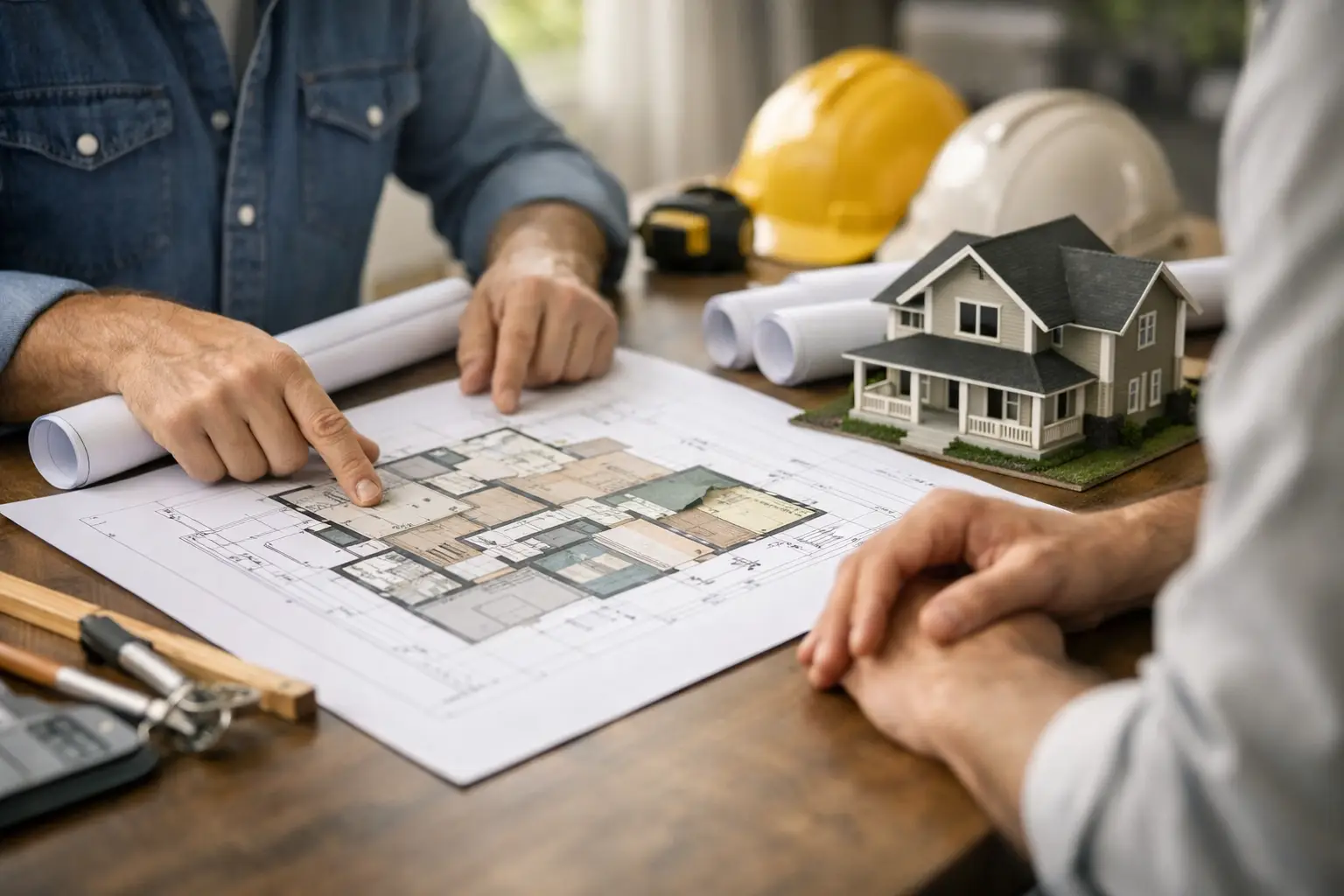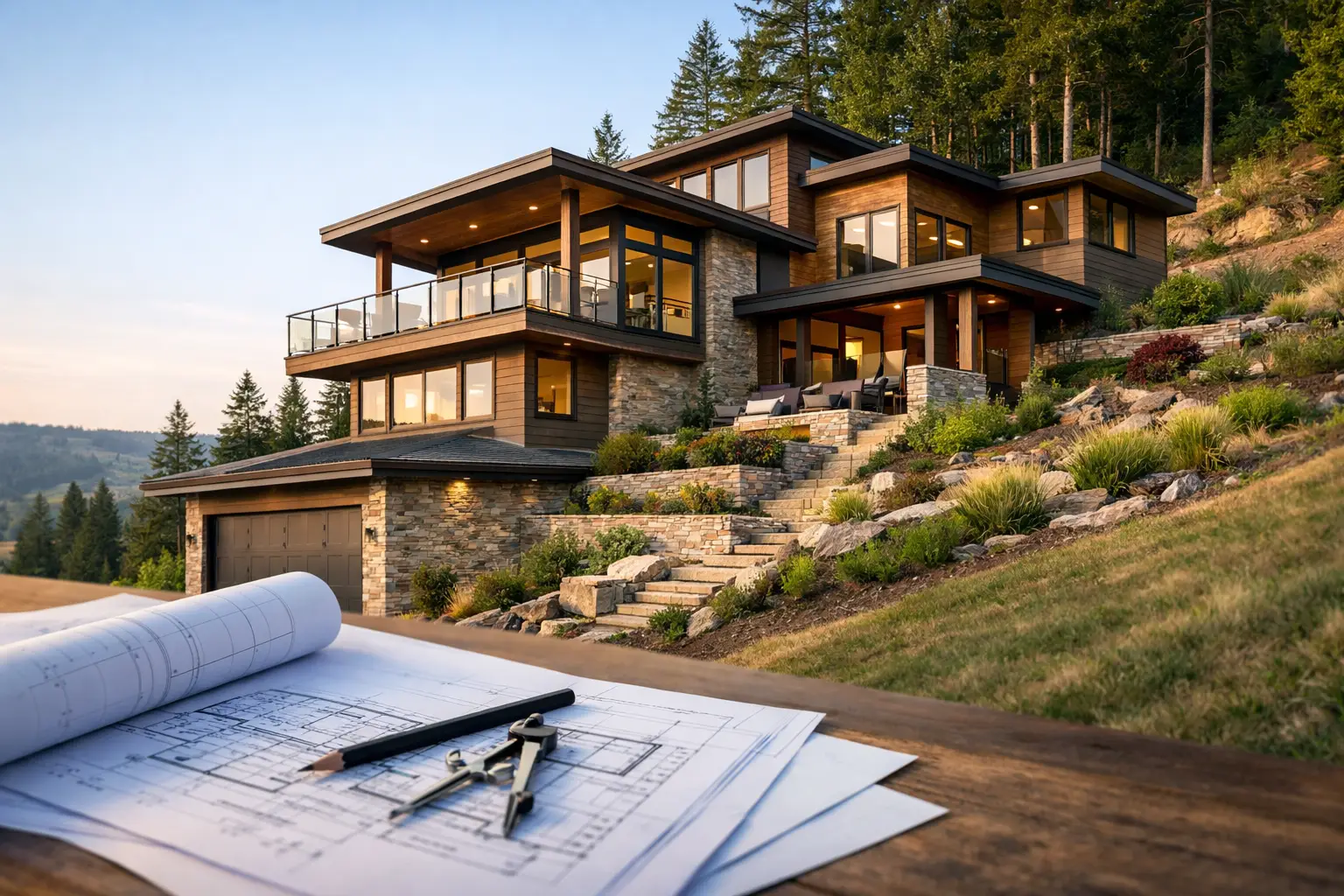
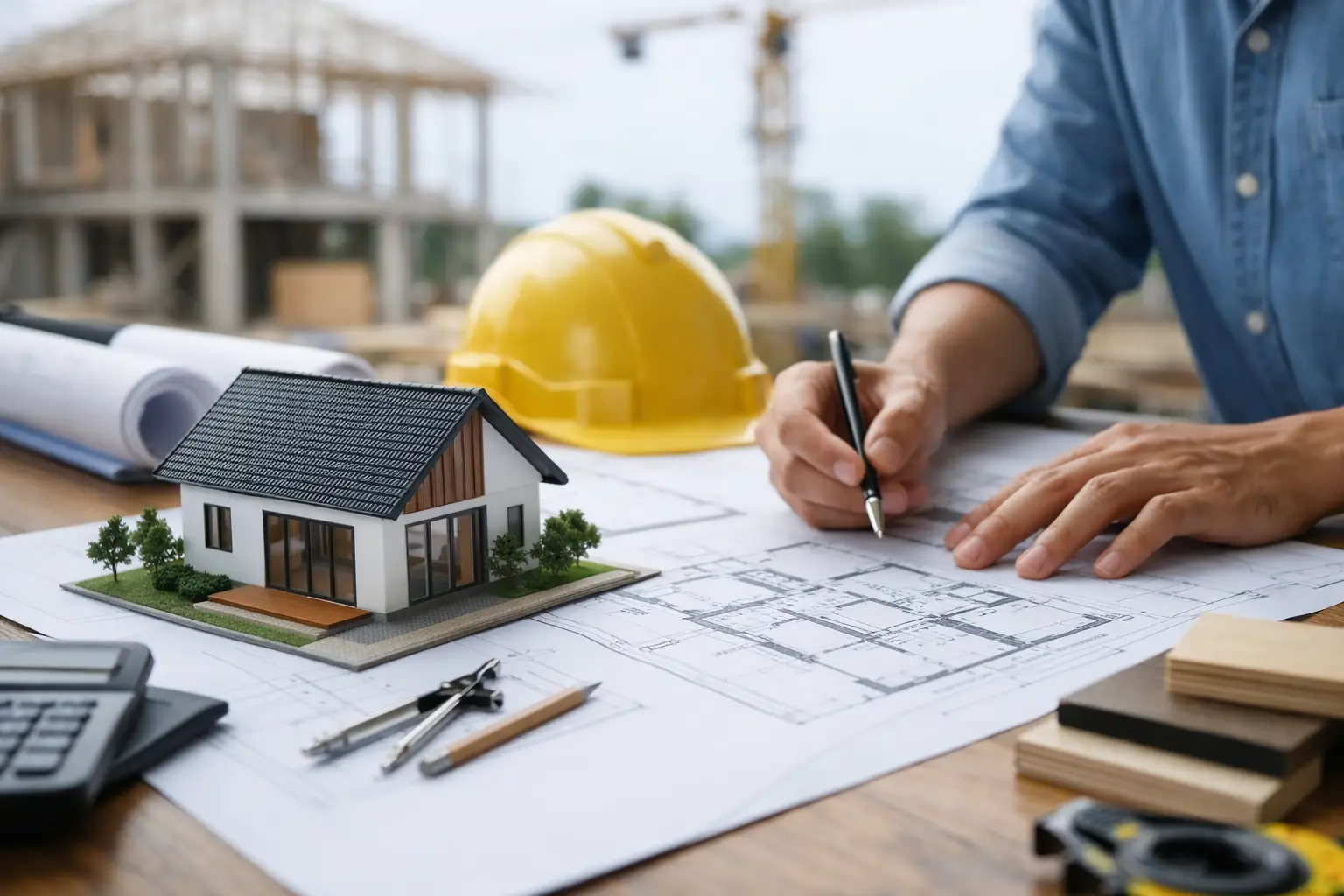
A beautiful home can get expensive fast when the design starts with wish lists and only later faces the math. Designing homes within construction budgets works best when budget decisions are made at the same time as layout, size, structure, and finish selections. That is where good residential design proves its value – not by cutting corners, but by helping clients make smart choices early enough to protect both the home and the budget.
For homeowners in North Carolina and South Carolina, this matters even more because every project has local variables. Lot conditions, municipal requirements, foundation type, roof complexity, and construction market conditions all affect what a home will cost to build. A plan that looks efficient on paper can become more expensive once it meets the realities of the site and the builder’s pricing.
Why budget-driven design leads to better homes
There is a common misconception that designing to a budget means settling for less. In practice, the opposite is often true. A defined budget creates focus. It helps identify what the home truly needs to do for the family, which spaces deserve more square footage, and where simpler solutions will still deliver comfort, function, and style.
When the budget is clear from the beginning, the design process becomes more strategic. Instead of drawing a larger or more complex home and then trying to trim it back, the plan is shaped around real priorities. That usually leads to cleaner layouts, more efficient circulation, and fewer expensive revisions later.
This approach also supports better communication with the builder. Construction-ready plans that reflect realistic expectations are easier to price, easier to schedule, and easier to build from. That reduces friction for everyone involved.
Designing homes within construction budgets starts with priorities
The first conversation should not be about exterior style or ceiling details. It should be about how the home needs to live day to day and where the budget needs to go. A family that cooks often may want to invest more in kitchen layout and pantry space. A client planning to age in place may place higher value on first-floor living, wider clearances, and a more accessible primary suite.
Those priorities shape the design in meaningful ways. They also help avoid a problem that shows up on many projects – spending too much on square footage or features that look appealing at first but add little long-term value.
A clear priority list usually separates needs from wants. Both matter, but they do not carry equal weight. If the budget tightens, the lower-priority items can be adjusted without compromising the home’s core function. That is far easier than trying to redesign major spaces after the plans are already developed.
Size matters more than most clients expect
Square footage is one of the biggest cost drivers in residential construction, but it is not just about the number itself. The way that square footage is arranged matters just as much. Two homes with the same heated area can have very different construction costs depending on shape, rooflines, spans, plumbing locations, and foundation conditions.
A compact, well-planned home often performs better than a larger plan with wasted hallways, oversized secondary rooms, or awkward circulation. Keeping the footprint efficient can lower framing, roofing, foundation, and mechanical costs at the same time. It can also improve how the home feels to live in.
That does not mean every project should be small. It means every square foot should earn its place.
The design choices that affect cost the most
Some budget impacts are obvious, while others are easy to overlook during early planning. Complex roof designs, multiple wall offsets, tall ceilings throughout, expansive window packages, and heavily articulated exteriors can all increase cost quickly. None of these features are automatically wrong, but they need to be weighed against the budget and the overall goals of the project.
Structural simplicity usually supports cost control. A straightforward footprint, stacked framing where possible, and logical roof geometry can help maintain architectural character while keeping labor and material costs more manageable. The same principle applies inside the home. Grouping kitchens, baths, and laundry areas in sensible ways can help reduce plumbing complexity.
Finish selections also influence the budget, but they should not carry all the blame. Many homeowners focus on cabinets, countertops, and flooring because those costs are easy to picture. In reality, the home’s core design decisions often determine the budget long before finishes are chosen.
Lot conditions can change the picture
The lot itself has a major impact on what it will cost to build. A sloped site may require a different foundation strategy. Tree coverage, drainage issues, setback constraints, and driveway length can all affect design and construction pricing. In some neighborhoods, architectural review requirements may also influence the home’s footprint, height, or exterior treatment.
This is why adapting a plan to a specific property matters. A design that fits the lot well can avoid unnecessary excavation, grading complications, and site-driven redesign later. In the Carolinas, regional knowledge is especially useful because local codes, permitting expectations, and construction practices vary from one jurisdiction to another.
How a practical design process protects the budget
Budget control is rarely the result of one decision. It comes from a process that checks alignment at each stage. Early consultation should establish realistic goals for size, style, and investment level. Schematic design should test layout ideas against those goals before too much detail is added. Detailed plan development should then refine the home in ways that support both livability and buildability.
This staged process gives clients room to make decisions in the right order. It also helps prevent one of the most expensive problems in residential design – discovering too late that the home on paper does not match what the project can support financially.
When design and builder input are aligned early, pricing feedback can be used constructively instead of reactively. If a certain roof form or room arrangement adds cost, there is still time to adjust it thoughtfully. The goal is not to strip out character. The goal is to make sure every design choice has a purpose.
Custom does not have to mean uncontrolled
Custom home clients sometimes assume that personalization and budget discipline work against each other. They do not. In fact, thoughtful customization often improves budget performance because the home is designed around the client’s actual lifestyle rather than generic assumptions.
For example, if a family does not need a formal dining room, that square footage can be redirected to a larger mudroom, better storage, or a more functional kitchen. If a builder wants a plan that is straightforward to execute, detailing can be shaped to support efficient construction without sacrificing curb appeal. Good custom design is not about adding more. It is about fitting the home more precisely to the people building it.
Where value engineering should happen
Value engineering works best before the plans are fully locked in. At that stage, changes can still improve efficiency without creating delays or redrawing large parts of the project. Once permit drawings are complete or construction has started, even small revisions tend to become more expensive.
The strongest value engineering usually comes from looking at the major moves first. Can the footprint be simplified? Can the second floor align more cleanly with the first? Can ceiling treatments be limited to the spaces where they matter most? Can exterior materials be balanced in a way that keeps the elevation attractive without overcomplicating installation?
These are not flashy decisions, but they often protect the project better than late-stage cuts to visible finishes. Homeowners usually feel those late cuts more sharply because they happen after emotional attachment has already formed.
Designing homes within construction budgets without losing character
A budget-conscious home should still feel personal, comfortable, and well considered. Character does not come only from expensive materials or complicated forms. It often comes from proportion, natural light, thoughtful room relationships, and details used with restraint.
A well-designed front elevation, a strong entry sequence, purposeful windows, and a layout that supports everyday routines can make a home feel custom in all the right ways. When the plan is resolved carefully, the result feels intentional rather than reduced.
That is the balance many clients are looking for. They want a home that reflects their style and supports the way they live, but they also want plans that can move into permitting and construction without constant budget surprises. That balance is achievable when the design process is grounded in real numbers, practical decisions, and clear communication from the start.
At Designtime Residential, we have seen that the most successful projects are not the ones with the longest feature lists. They are the ones where design, budget, site, and construction goals are aligned early – and where every square foot, every line on the plan, and every decision has a job to do. If you start there, the budget does not limit the design. It helps shape a home that is worth building.